PMI Foam Core: Pioneering Sustainable Solutions in Construction
Table of contents:
The Impact of PMI Foam Core on Eco-Friendly Building Practices
Leading PMI Foam Suppliers Committed to Sustainability
How PMI Foam Core Suppliers Support Green Construction Initiatives
Sustainable Innovations with PMI Foam Core
The Impact of PMI Foam Core on Eco-Friendly Building Practices
PMI foam core is redefining construction norms with its remarkable structural capabilities and minimal environmental footprint. Known for its high mechanical strength and lightweight properties, PMI foam is increasingly used in building applications that require durability and efficiency. The foam's closed-cell structure ensures low resin absorption, reducing material usage and waste. This characteristic makes it an ideal choice for projects aiming to minimize environmental impact while maintaining structural integrity. As more builders and architects prioritize sustainability, the adoption of PMI foam core in construction is set to rise, promoting greener building practices across the industry.
Leading PMI Foam Suppliers Committed to Sustainability
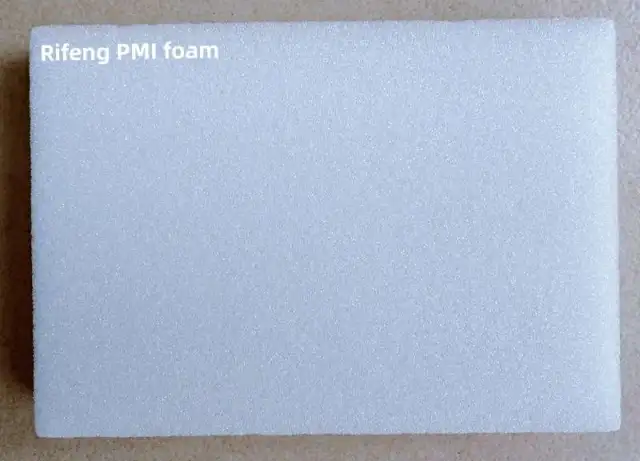
In the realm of sustainable construction, PMI foam manufacturers play a pivotal role. Companies like Rifeng PMI Foam are committed to producing eco-friendly materials that meet rigorous industry standards. Their advanced manufacturing processes emphasize precision engineering and customization, ensuring that each product meets specific client needs without compromising on quality or sustainability. By investing in research and development, these manufacturers continuously enhance the performance of PMI foam, making it a preferred choice for eco-conscious builders. The commitment of PMI foam manufacturers to sustainability is evident in their efforts to reduce carbon footprints and promote resource efficiency.
How PMI Foam Core Suppliers Support Green Construction Initiatives
PMI foam core suppliers are instrumental in driving green construction initiatives through their innovative products and services. By offering customizable solutions tailored to specific project requirements, these suppliers help builders achieve their sustainability goals. The ability to thermoform or CNC machine PMI foam to precise specifications not only ensures optimal performance but also reduces material waste. Moreover, PMI foam manufacturers provide global supply and support, ensuring reliable delivery and responsive customer service. This commitment to excellence enables construction professionals to incorporate PMI foam core into their projects with confidence, knowing they are contributing to a more sustainable future.
Sustainable Innovations with PMI Foam Core
The ongoing innovations in PMI foam technology are paving the way for more sustainable construction solutions. With its fine cell structure and high thermal and chemical resistance, PMI foam is ideal for advanced composite applications such as helicopter blades and high-performance structural panels. The enhanced version, Rifeng W-HT, can withstand higher curing temperatures, offering even greater versatility for demanding applications. By continually pushing the boundaries of what PMI foam can achieve, manufacturers are setting new standards for sustainable building materials. These innovations not only enhance the material's performance but also support the broader goal of reducing environmental impact in construction.
In summary, PMI foam core is a game-changer in the field of sustainable construction, offering a unique combination of strength, versatility, and environmental benefits. As a leading PMI foam manufacturer, Rifeng PMI Foam exemplifies the industry's commitment to producing high-quality, eco-friendly materials that meet the evolving needs of builders and architects. By prioritizing sustainability in their manufacturing processes and product offerings, PMI foam manufacturers are helping to drive the transition towards greener building practices. With continued innovation and dedication to excellence, PMI foam core is poised to play a crucial role in shaping the future of construction.


Comments
Post a Comment